Rhyno’s Concreting

Concrete Slabs in Taree

Servicing the Mid North Coast

Over 20 years of experience delivering reliable concreting solutions with careful attention to detail, licensed workmanship and competitively priced services.

Concrete Slabs Installed Right

Strong Foundations for Every Build

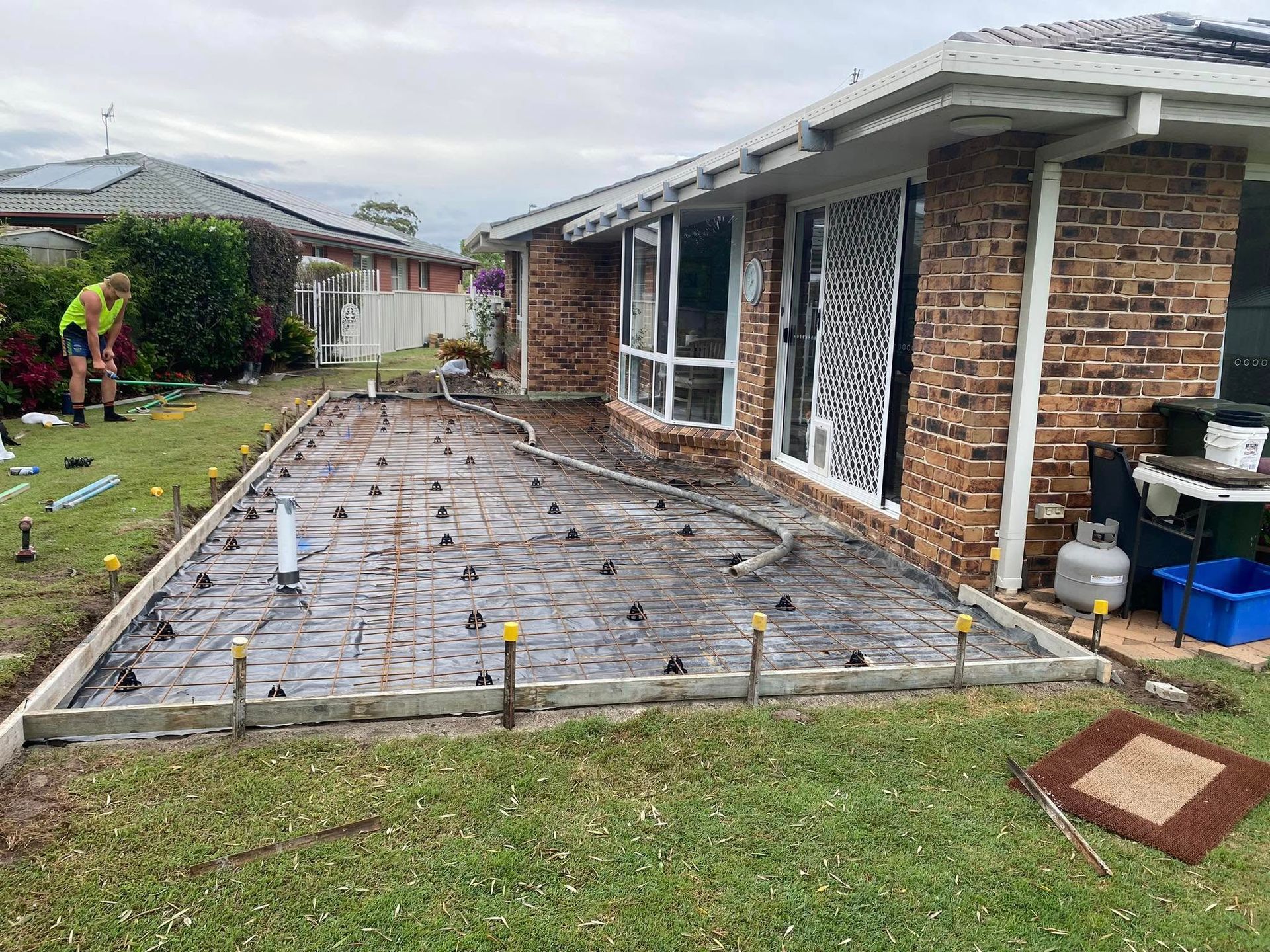
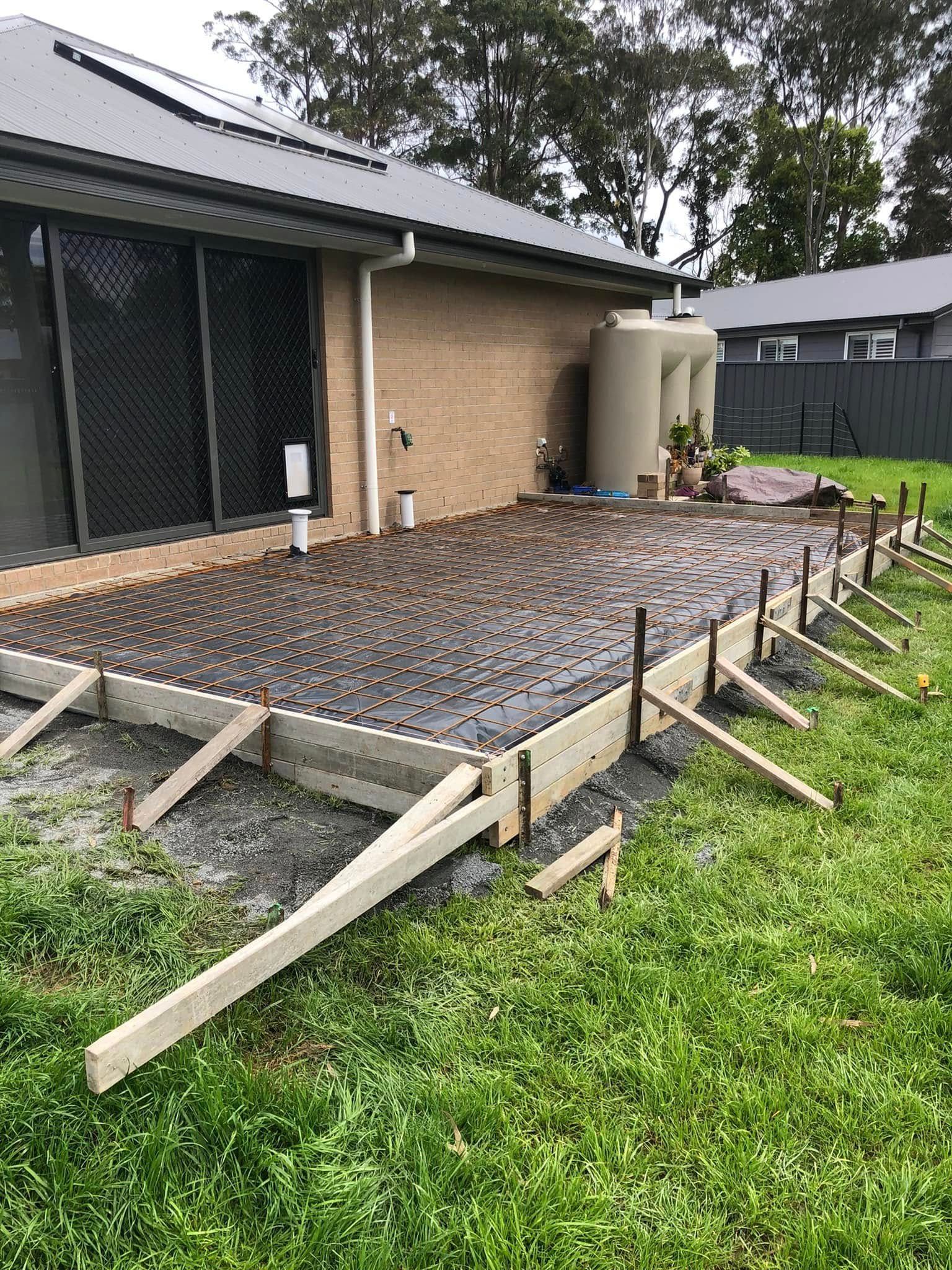
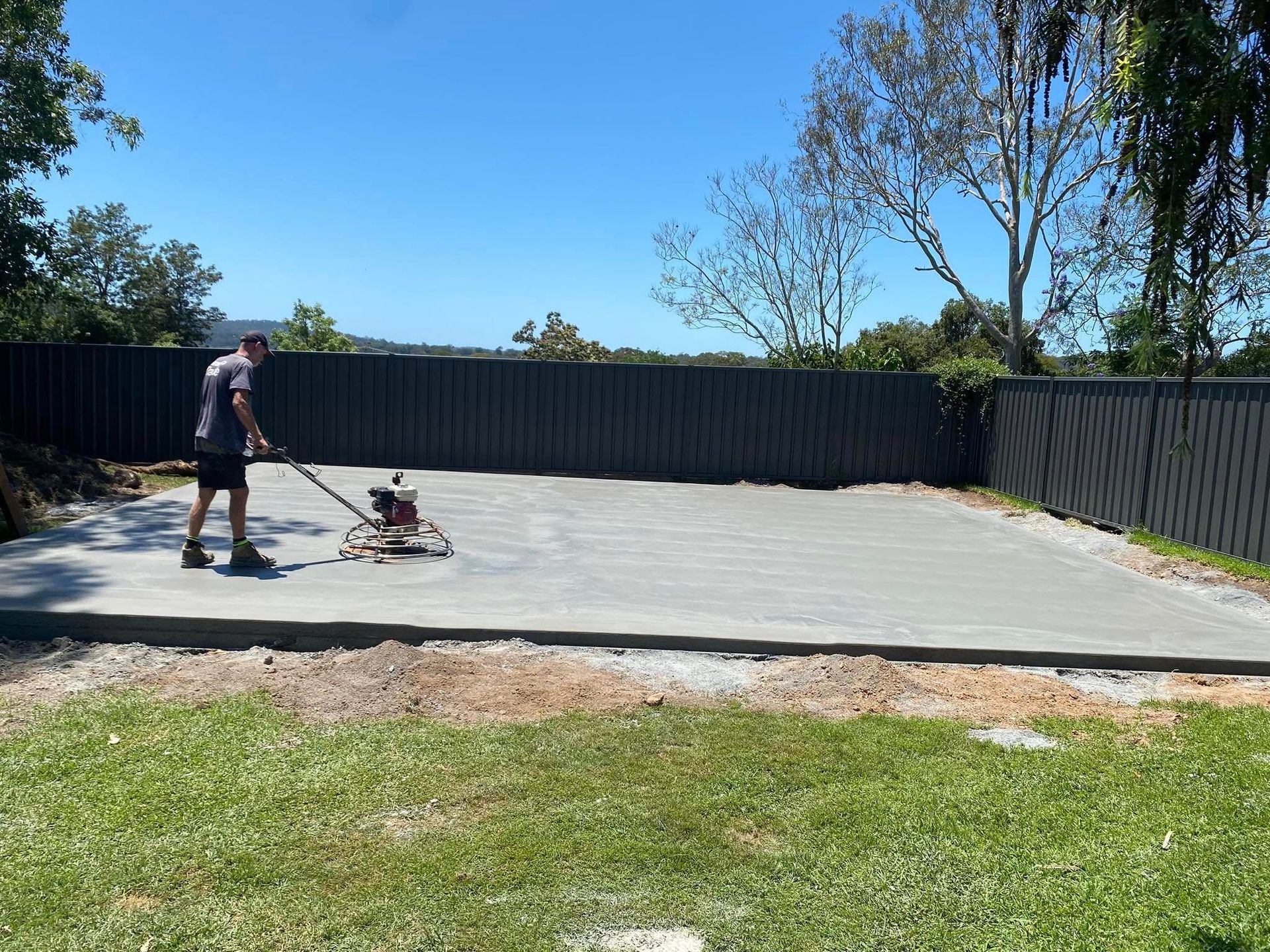
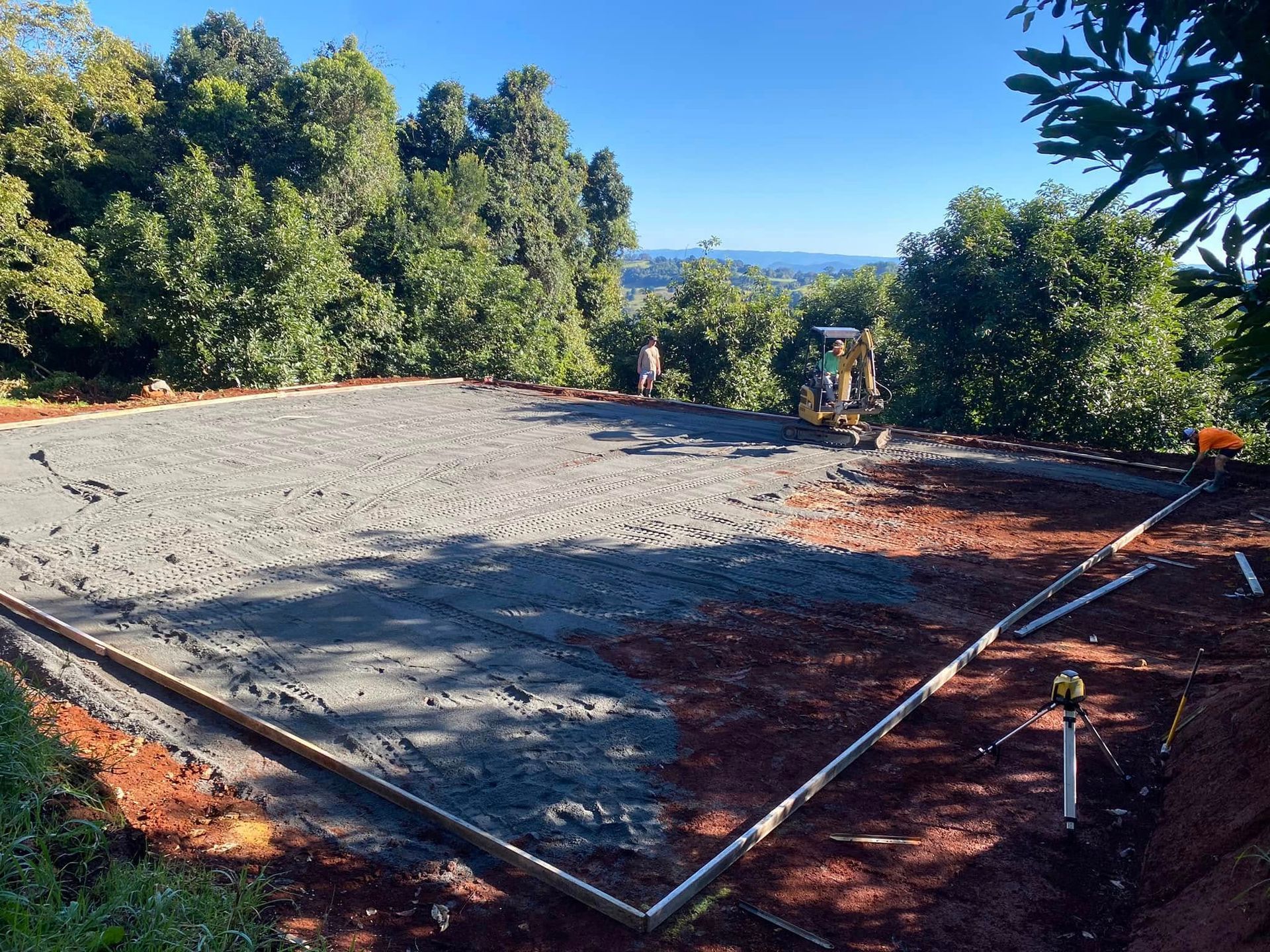
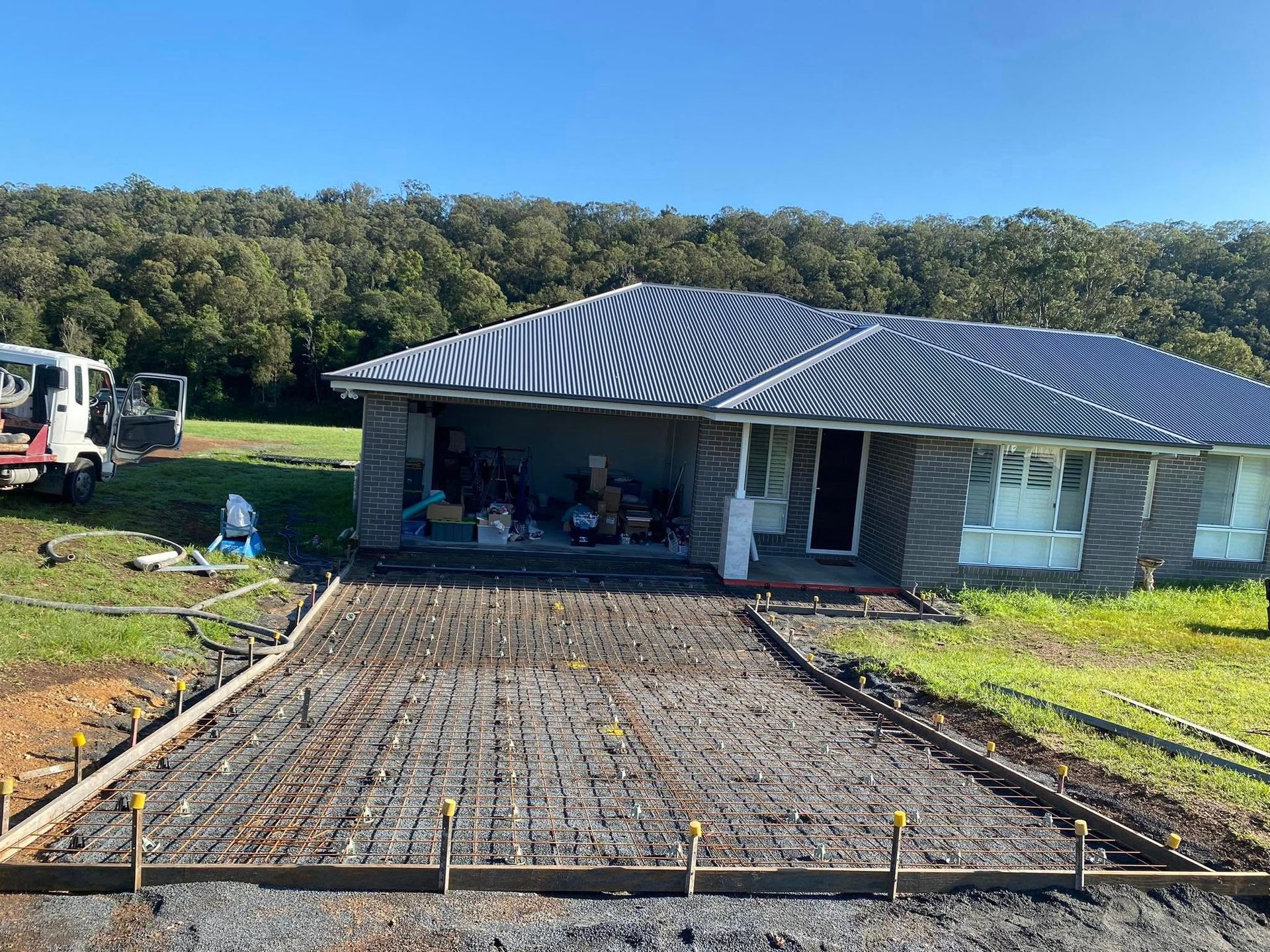
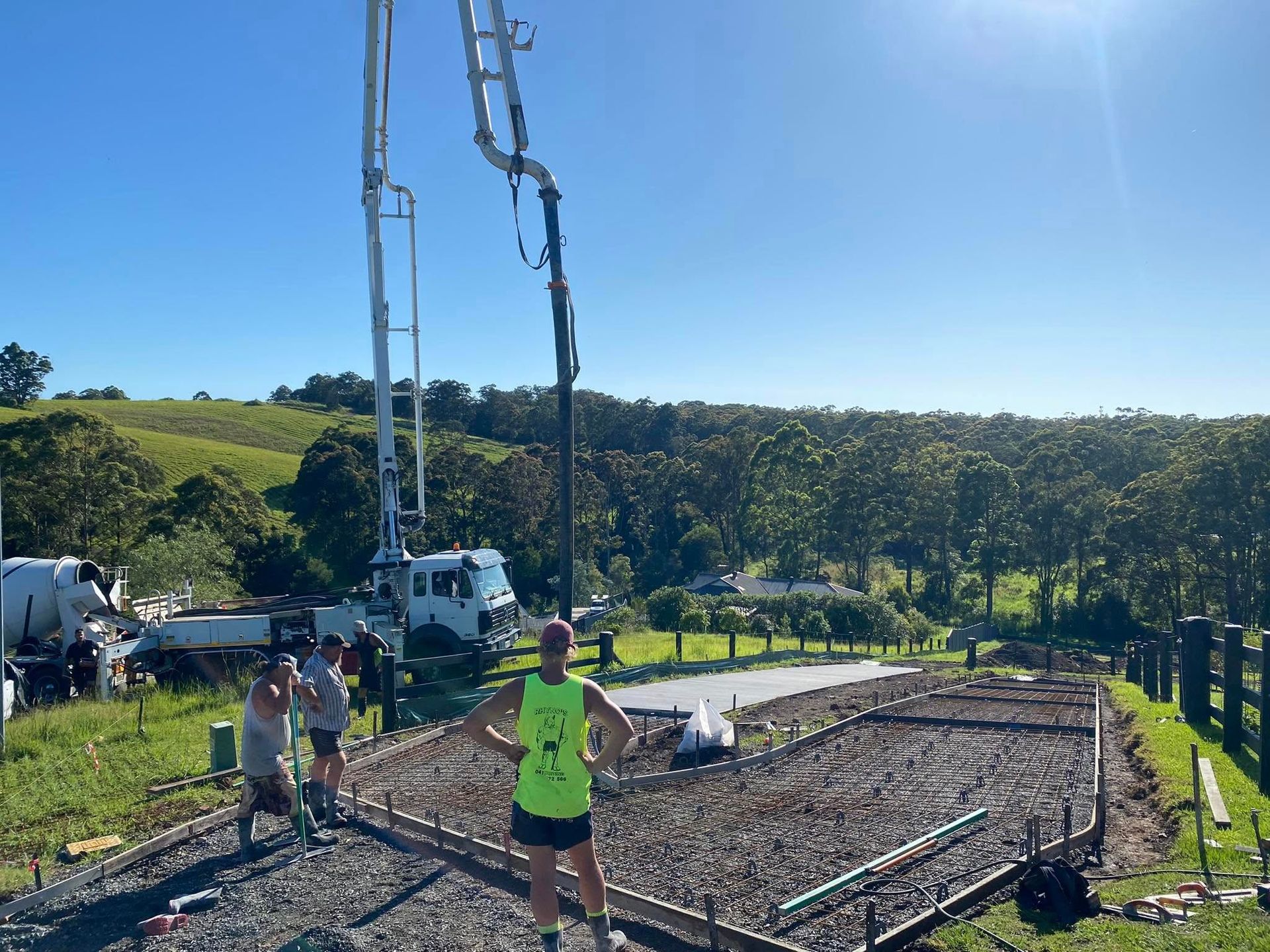
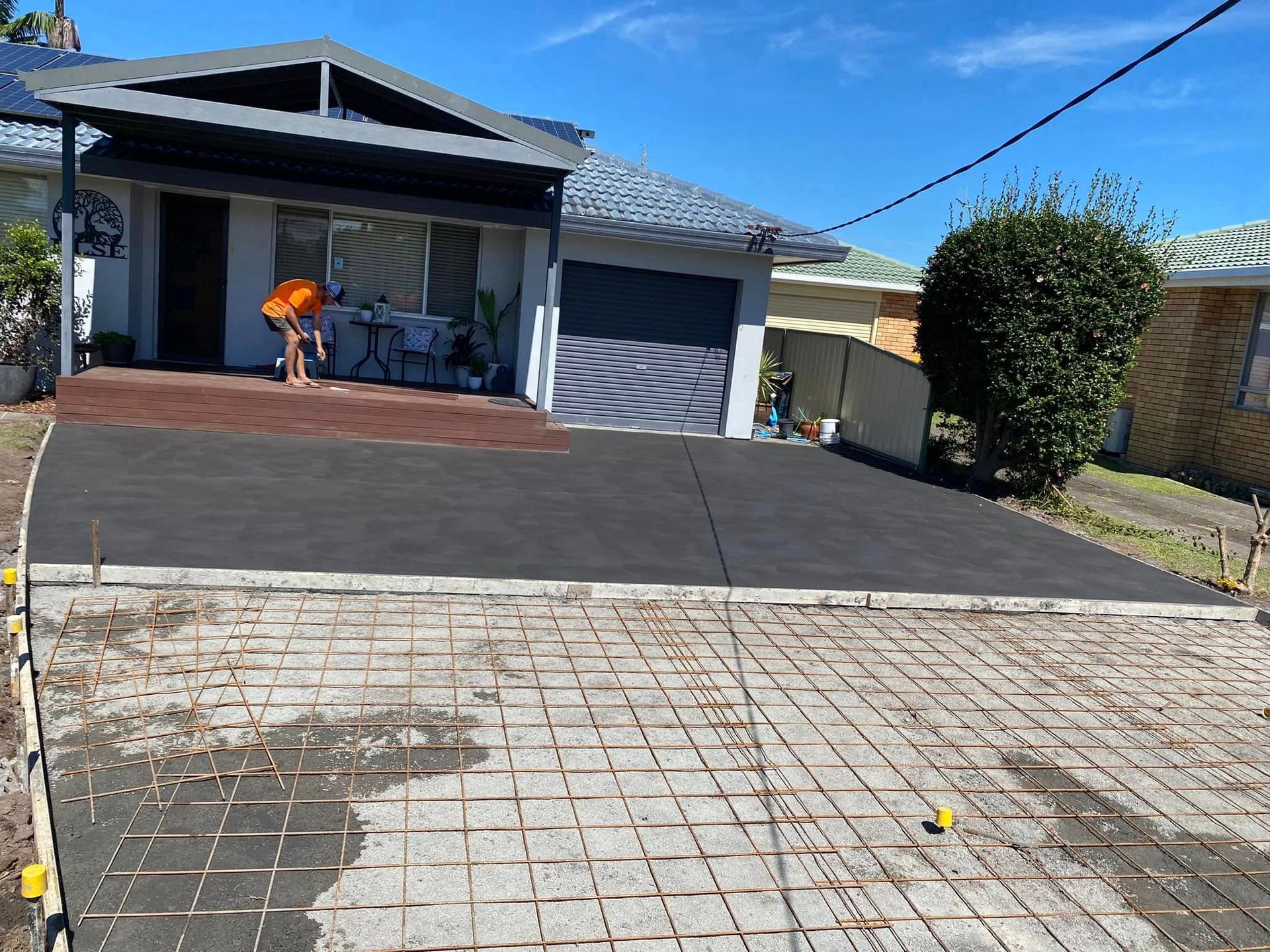
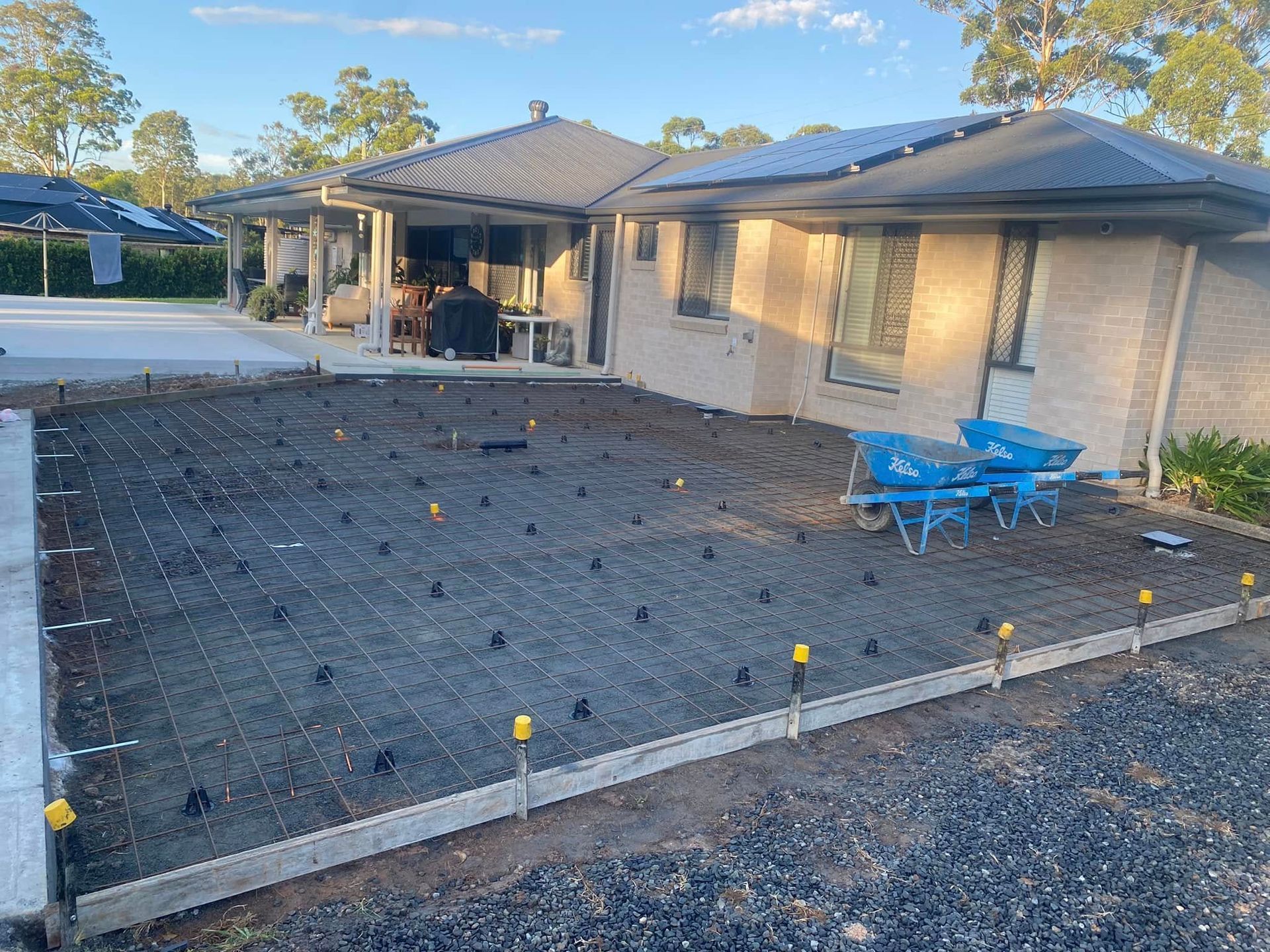
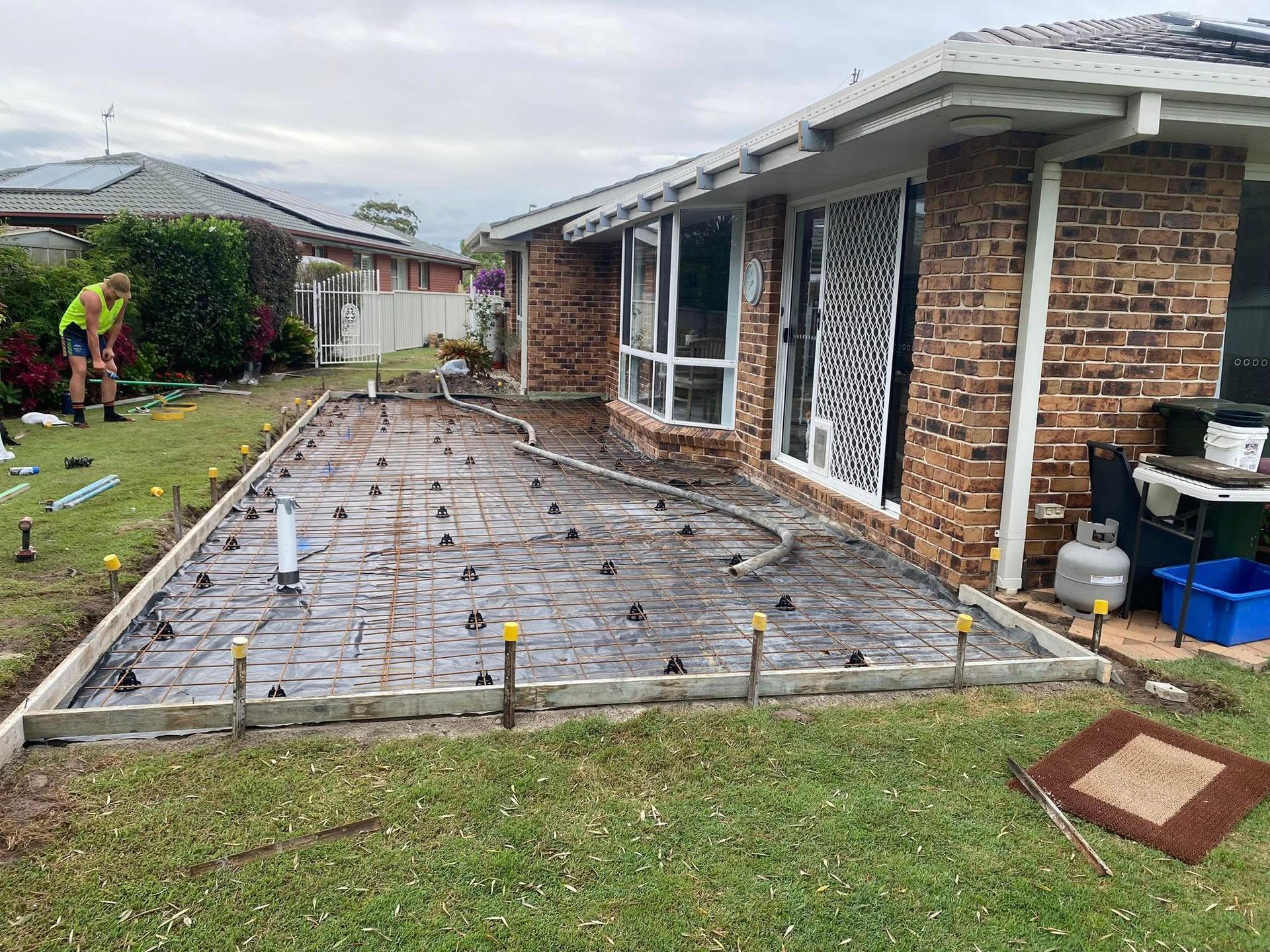
A well-built concrete slab is the foundation of many structures, providing the strength and stability needed to support buildings and outdoor installations. At Rhyno’s Concreting, we install reliable concrete slabs across Taree and surrounds on the Mid North Coast, helping homeowners, builders and project managers prepare strong bases for a wide range of projects. With more than 20 years of experience, our team focuses on proper site preparation, accurate levelling and quality materials to ensure each slab performs well over time.


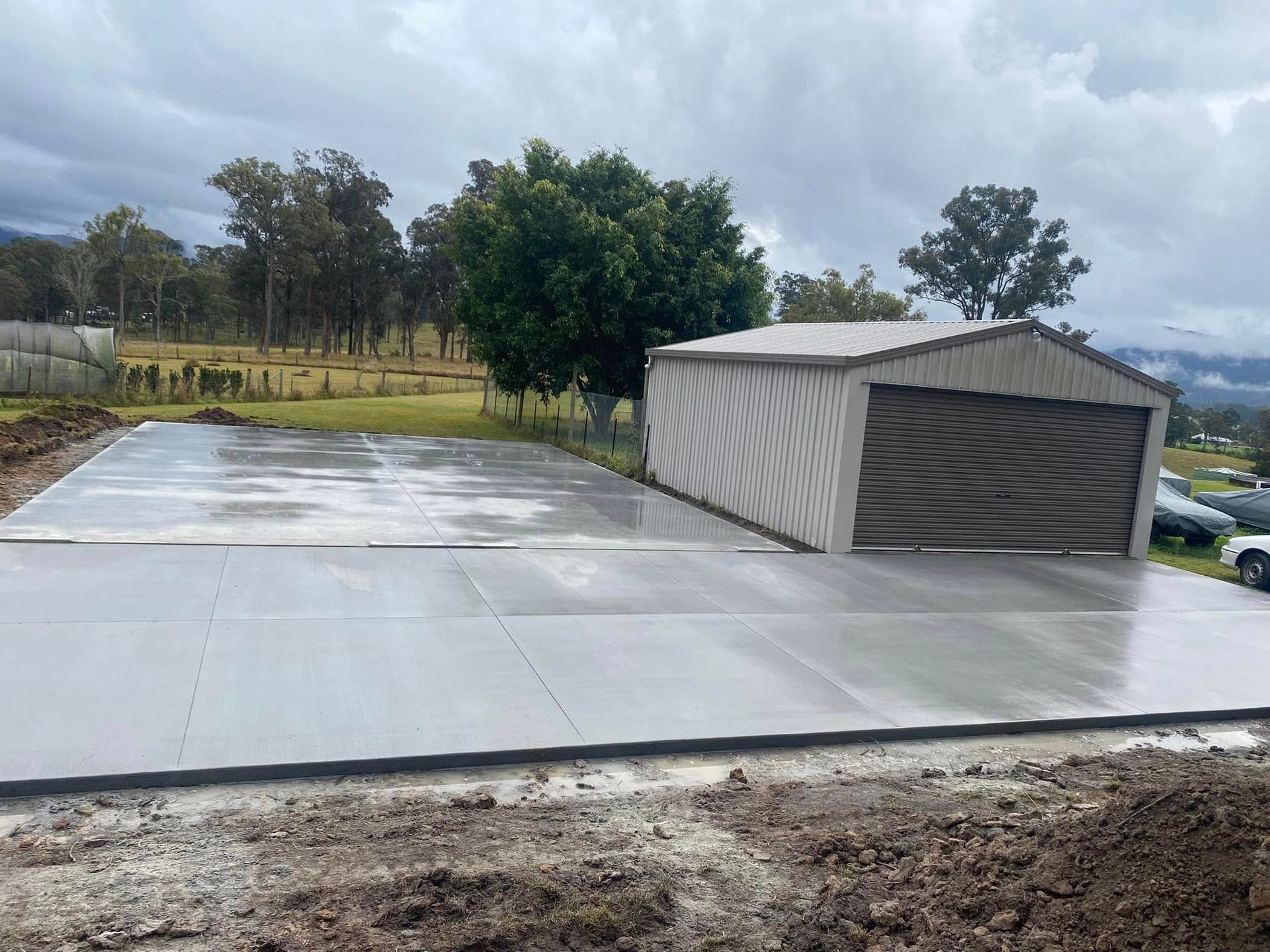
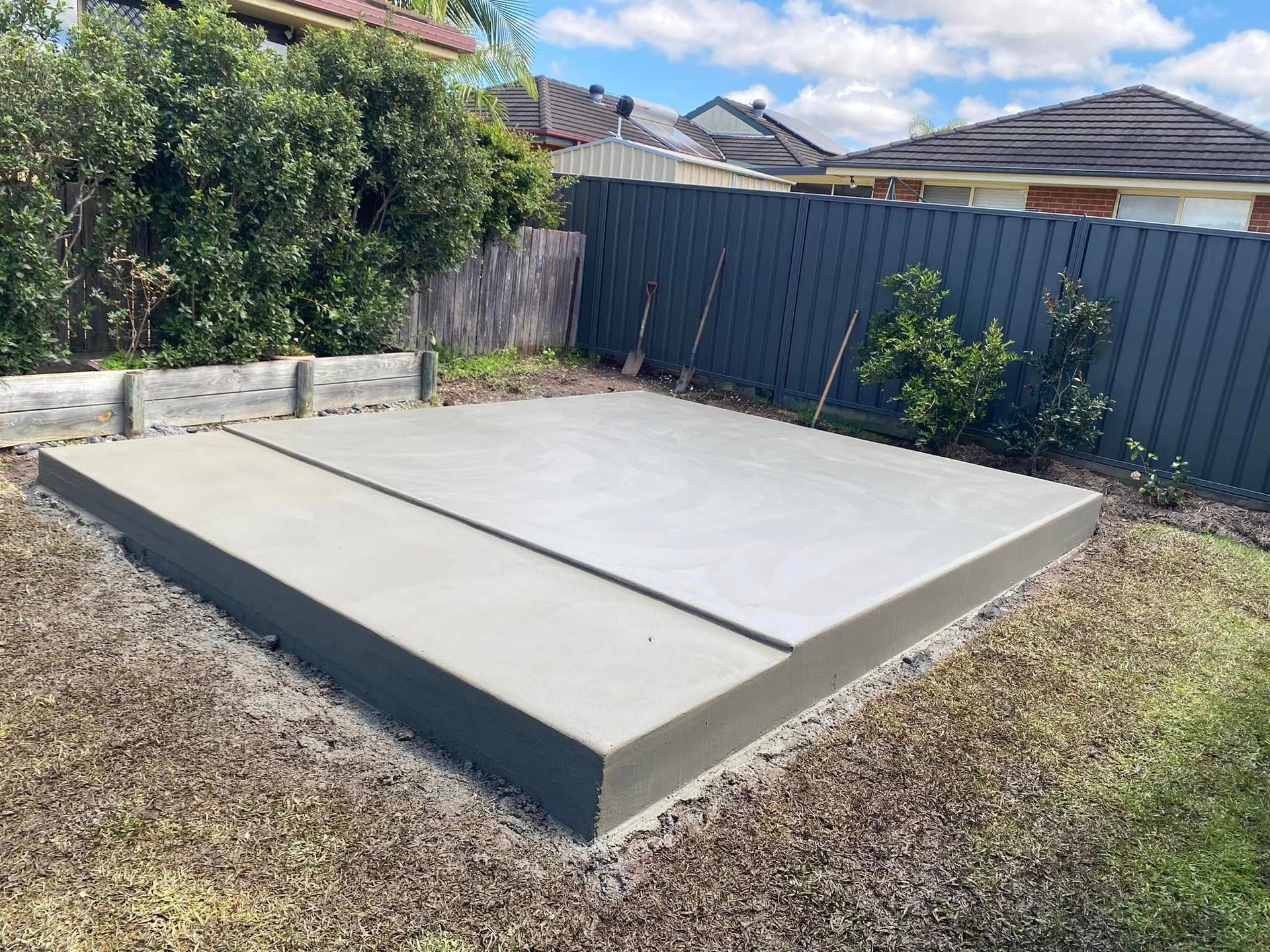
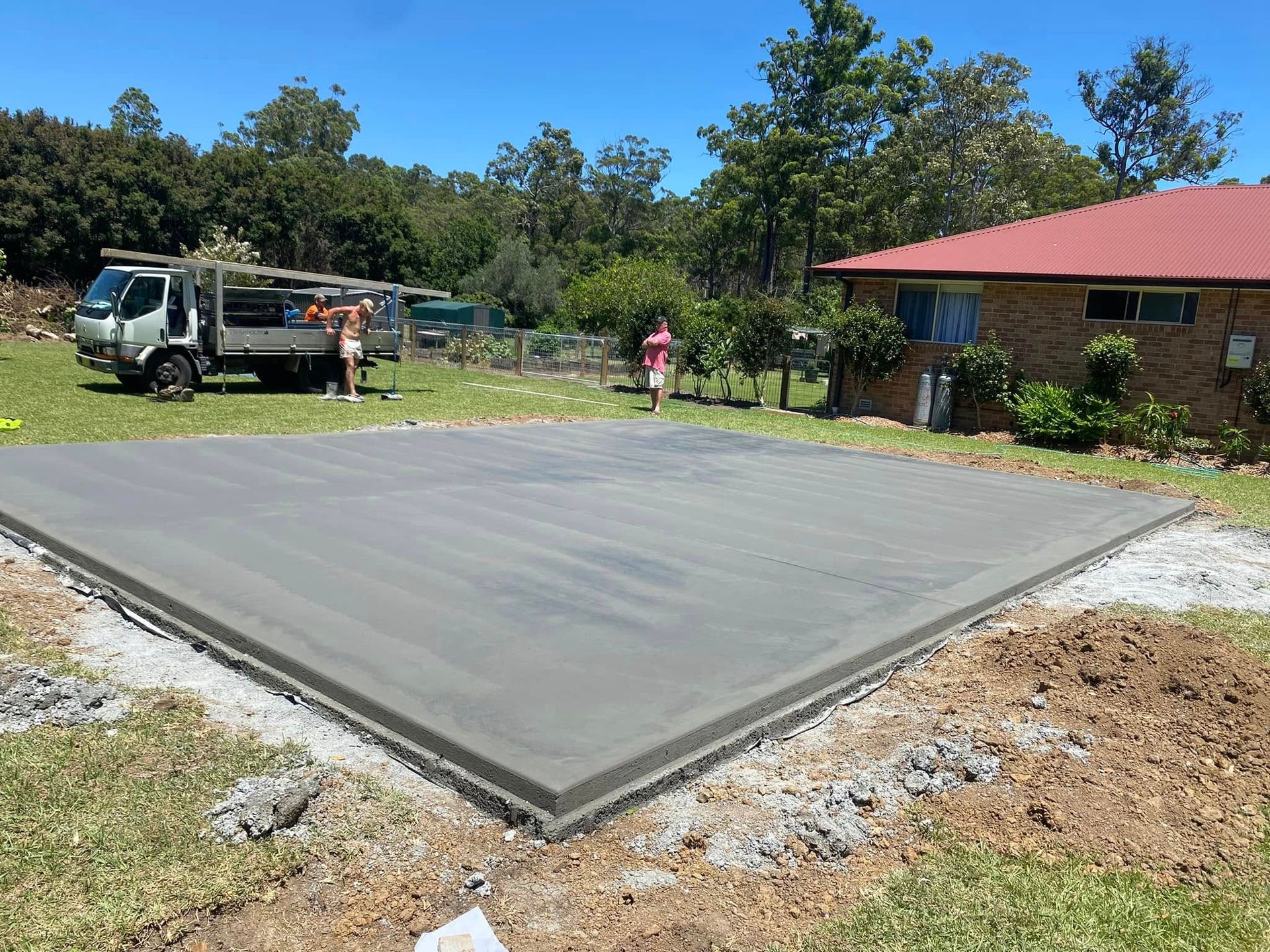
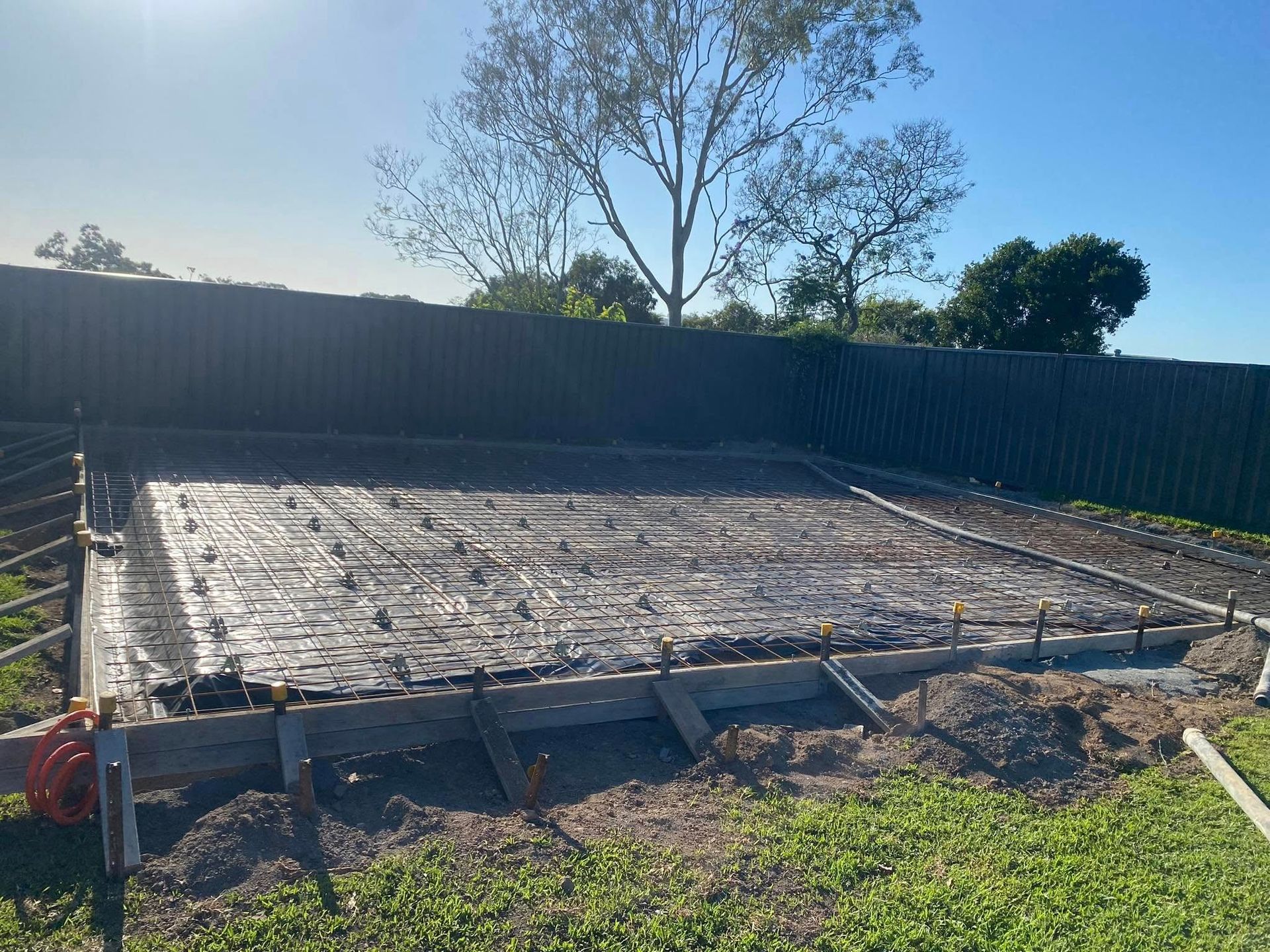
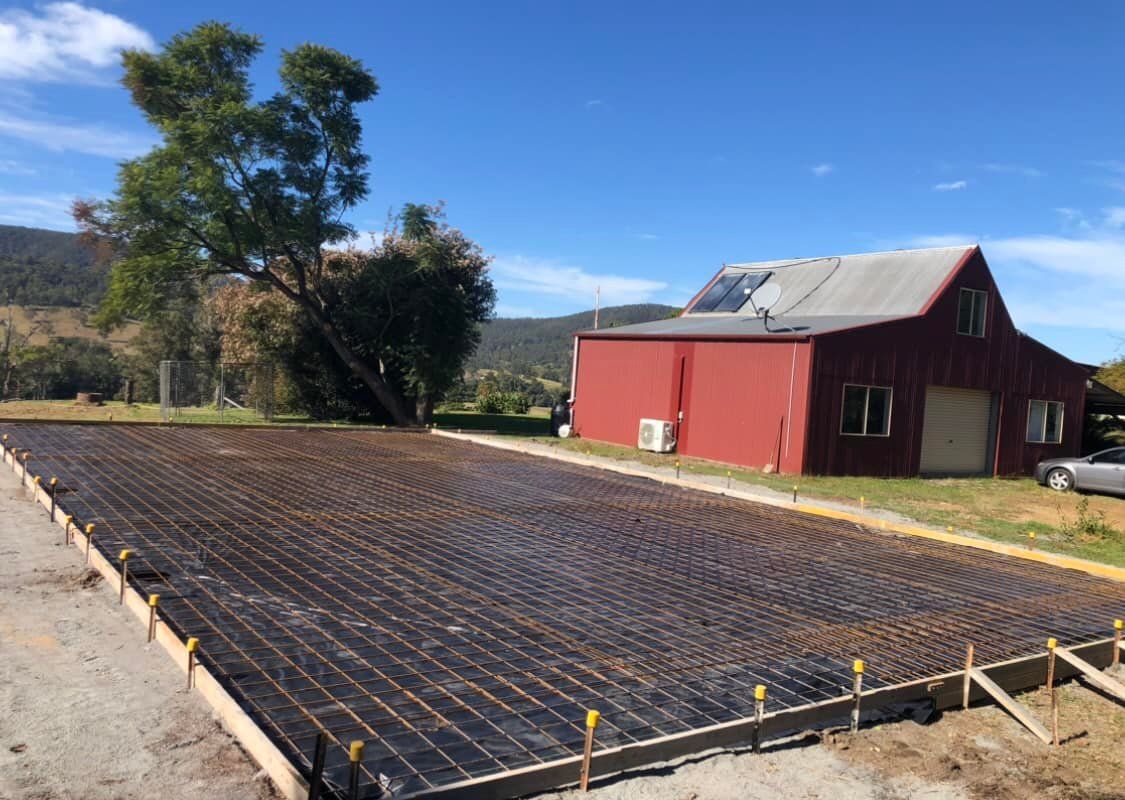
Concrete slabs are used for many different applications including shed slabs, raft slabs and brick infill slabs. Each type of slab is designed to support specific structures and ground conditions. Careful planning and installation help ensure the slab remains stable and durable while providing a level base for construction. From small residential projects to larger building works, the goal is always to create a surface that delivers long-term strength and reliability.


If you’re preparing for a building project anywhere across the Mid North Coast, call 0413 472 566 to speak with the team at Rhyno’s Concreting.

Your Options

Slabs for Many Applications

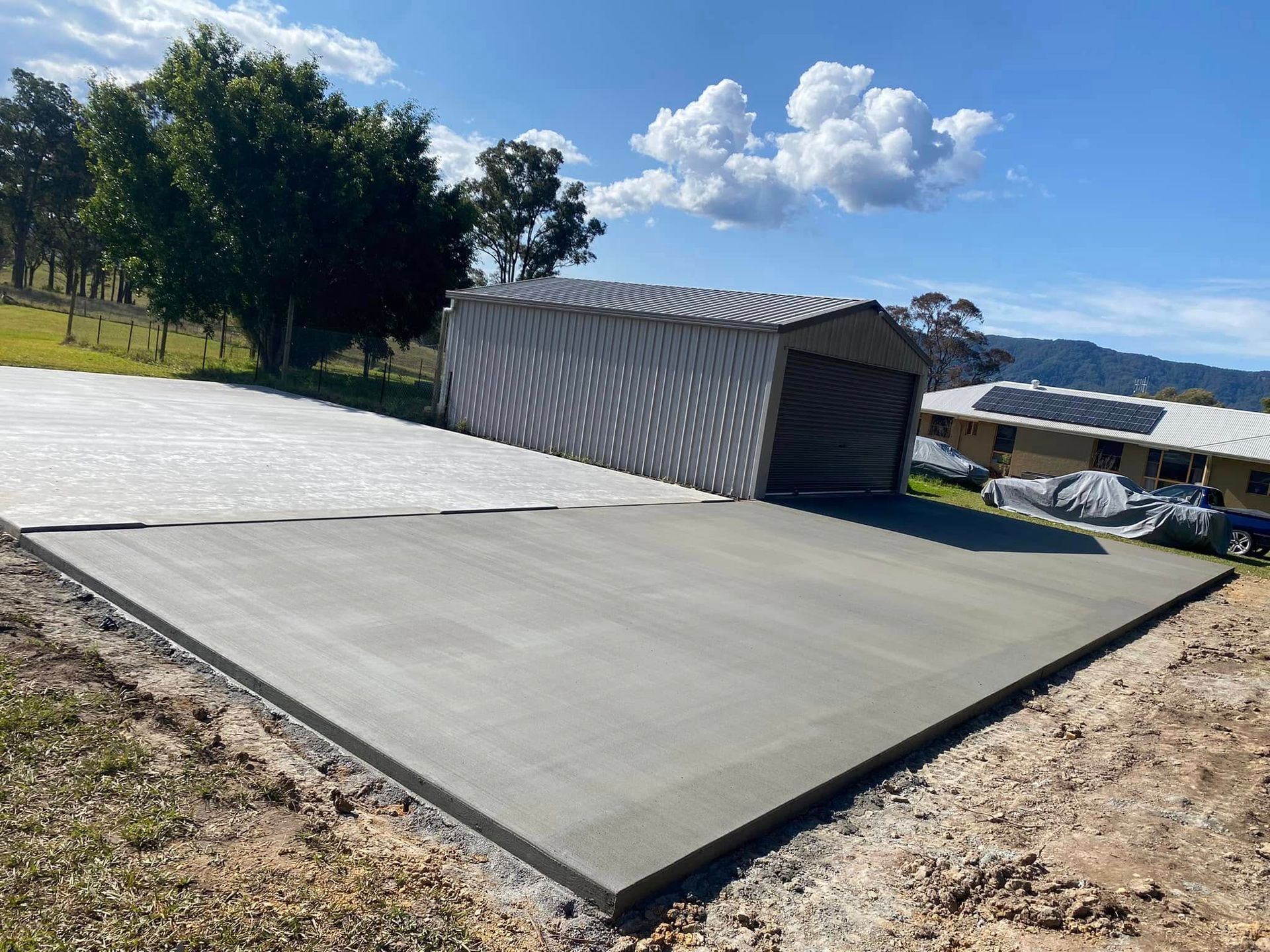
Concrete slabs are widely used in both residential and construction projects because they provide a strong, stable base for structures. Shed slabs are commonly installed to support garden sheds, workshops and storage buildings, helping ensure these structures remain level and secure. These slabs are designed to handle the weight of the structure as well as any equipment or vehicles stored inside.


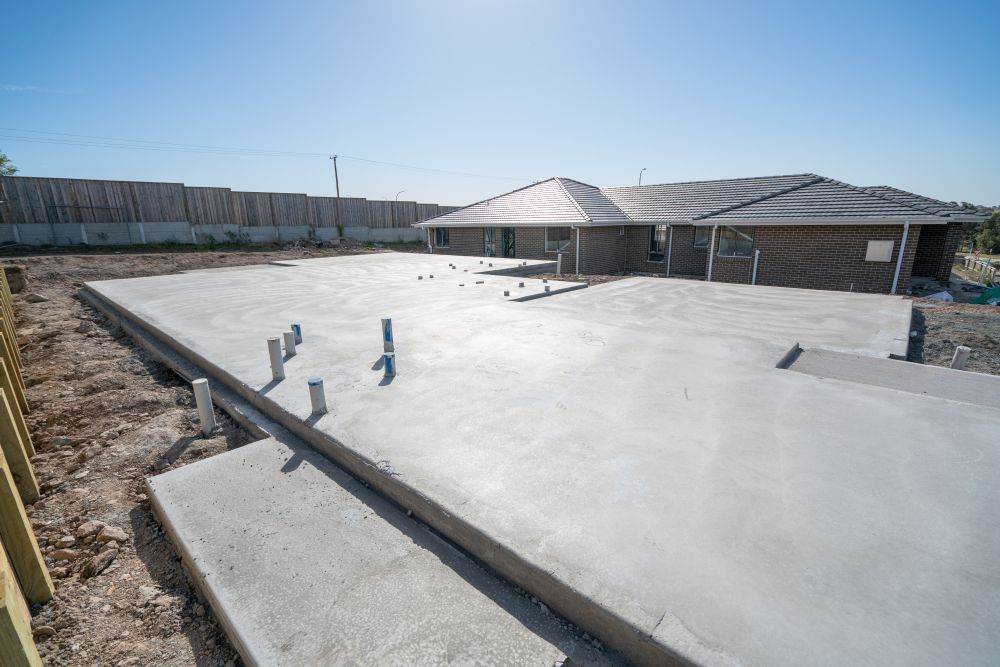
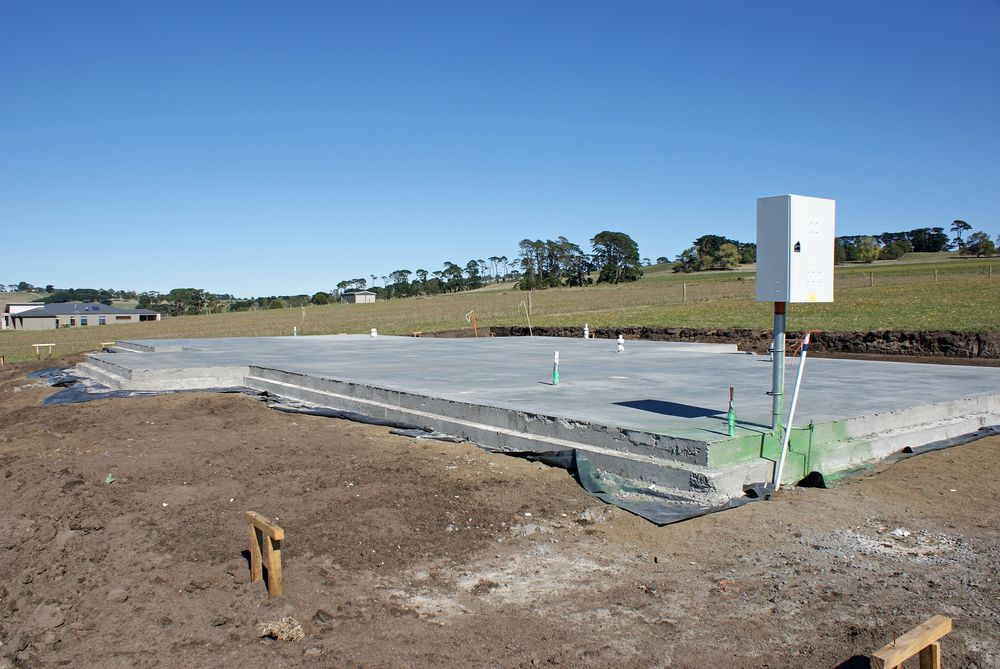
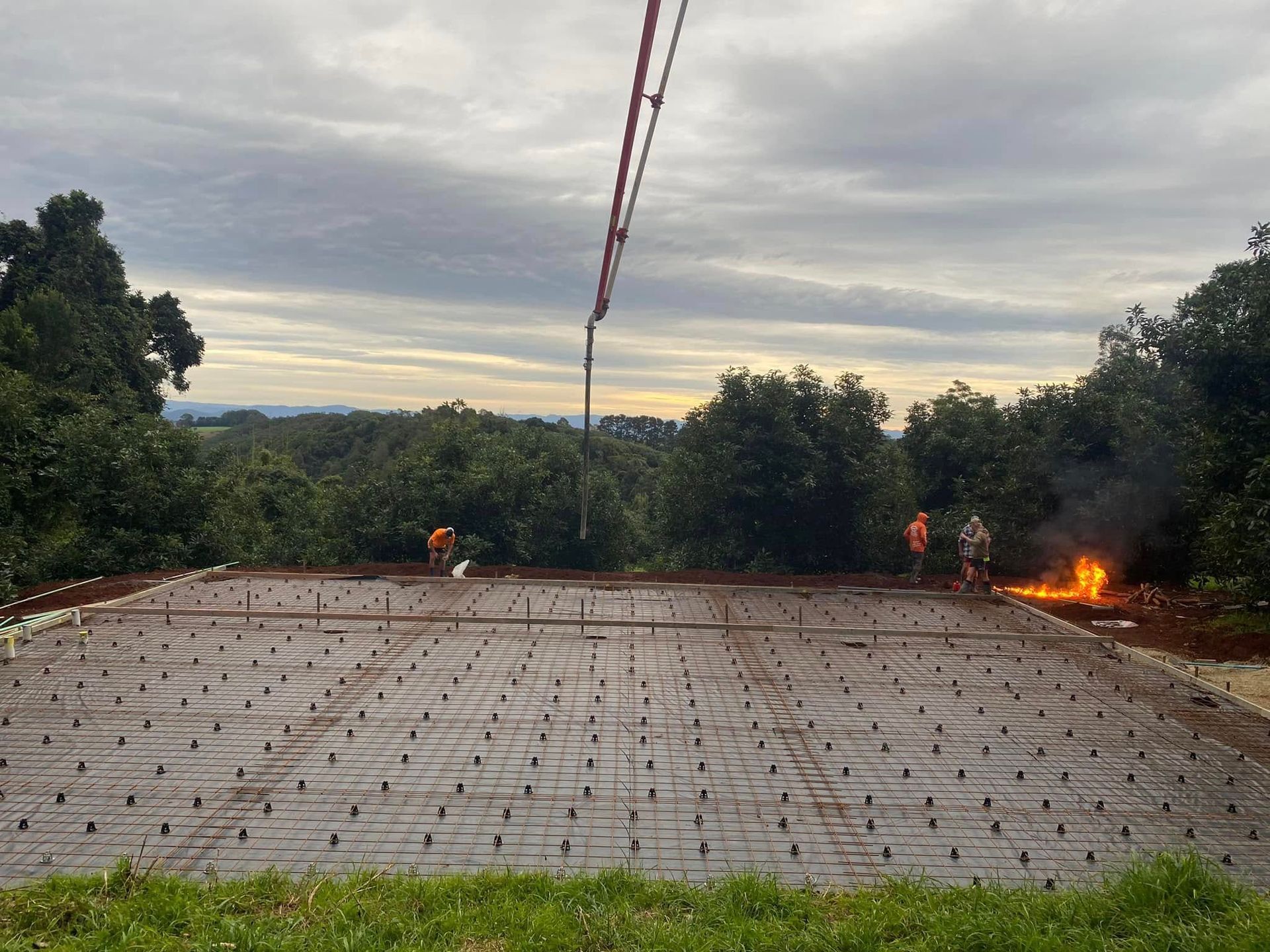
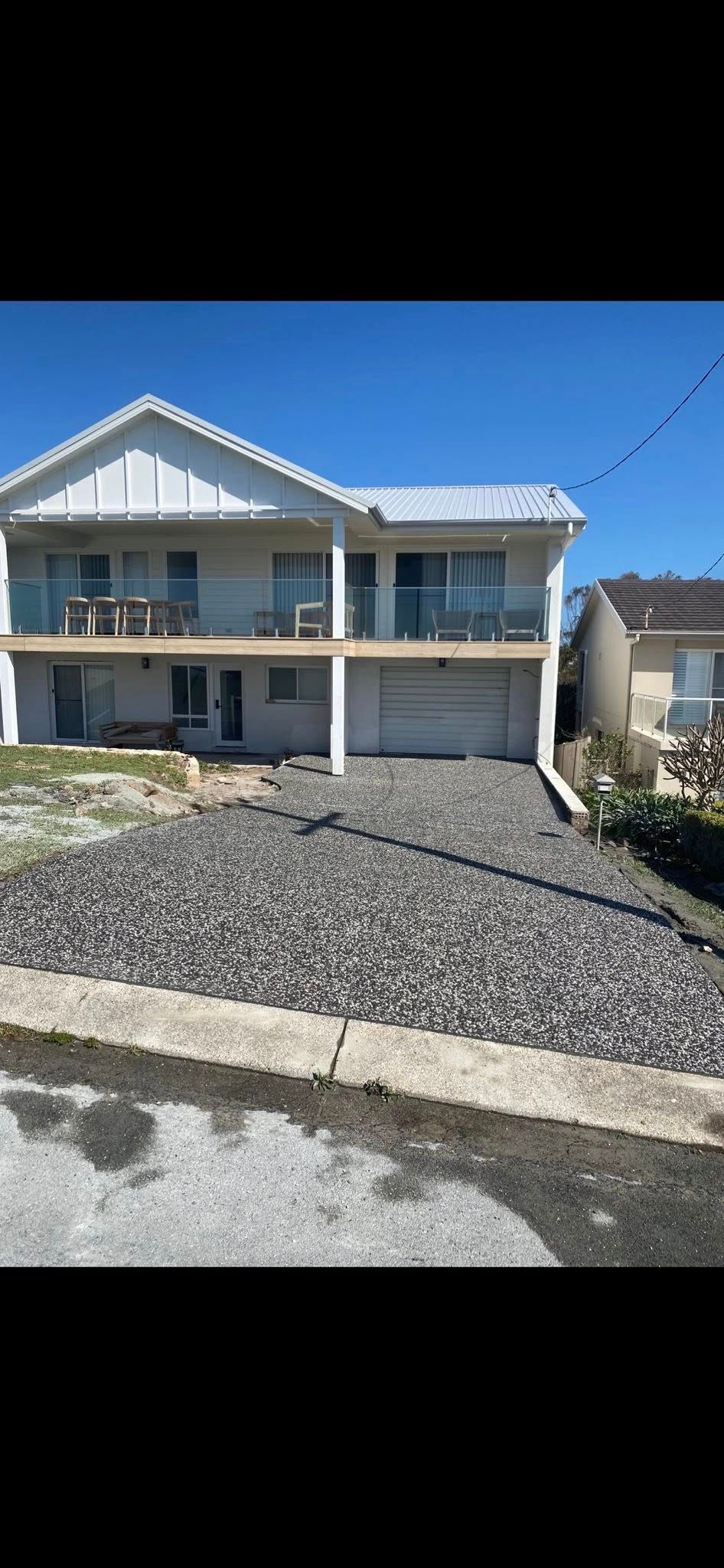
For larger construction projects, raft slabs are often used to distribute the weight of a building across a wider area of ground. This type of slab combines the foundation and floor system into one reinforced structure, helping improve stability in certain soil conditions. Brick infill slabs are another common option, typically installed within brick or block foundations to create a solid internal floor surface.


Choosing the right slab type depends on the structure being supported and the conditions of the site. With careful preparation and proper installation, concrete slabs provide the strong, durable foundations needed for long-lasting structures.
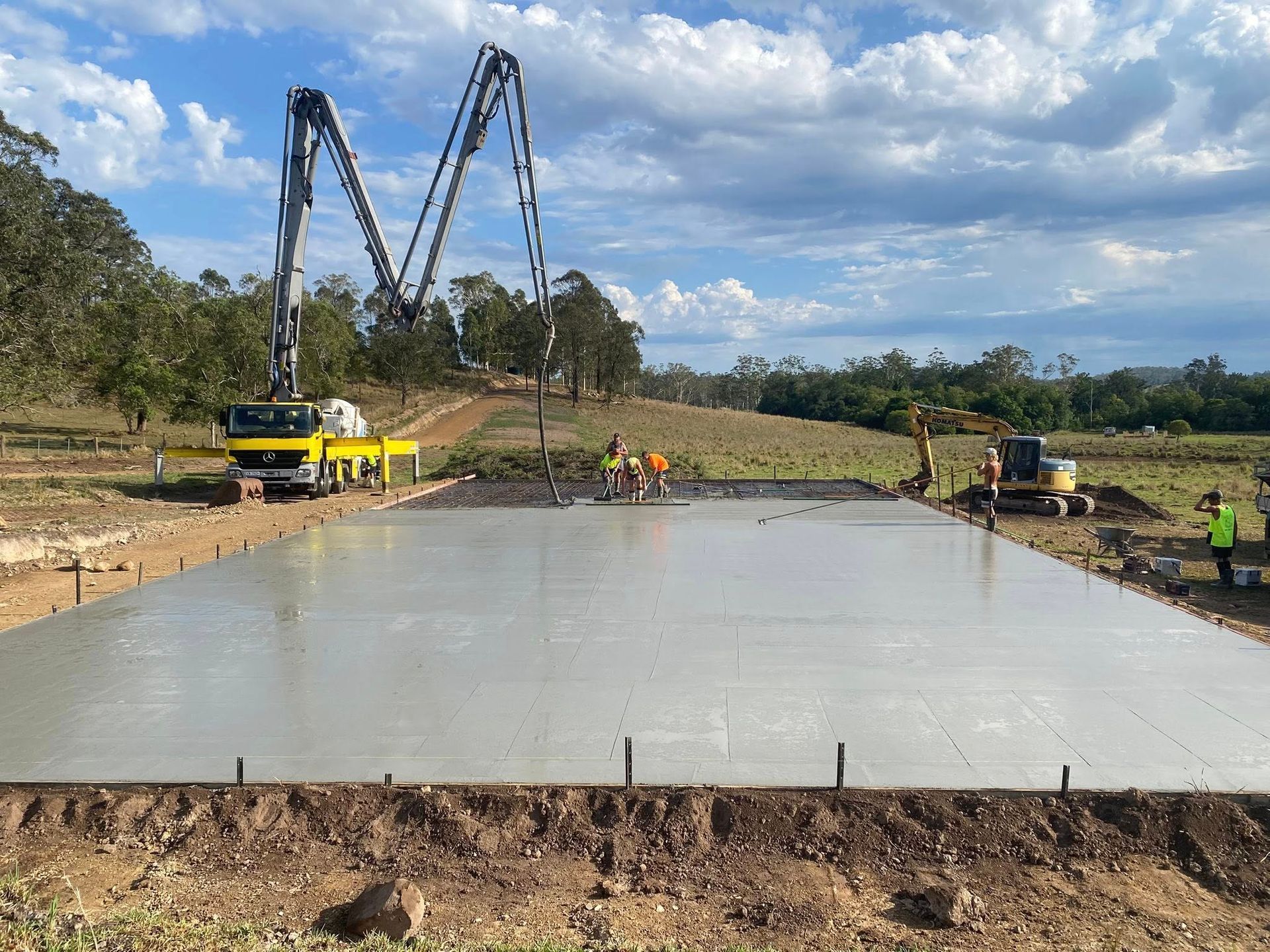
Raft Slabs

Need Help?

Frequently Asked Questions

  • What is a concrete slab used for?

    Concrete slabs are used as strong, level foundations for a wide range of structures. Common applications include shed slabs, house foundations, carports, patios and building floors. The slab supports the weight of the structure while distributing the load across the ground below. Because concrete is strong and durable, slabs provide a stable base that helps buildings remain secure and long lasting.
  • What is the difference between a raft slab and a standard slab?

    A raft slab is designed to distribute the weight of a structure evenly across a larger area of ground. It typically includes reinforced concrete beams and a thick slab that work together to support the building. This type of slab is often used where soil conditions require additional support. A standard slab, such as a shed slab, may be simpler in design and used for smaller structures where the ground conditions are more stable.

  • How long does a concrete slab take to cure?

    Concrete begins to harden within a few hours after it is poured, but full curing takes longer. Most slabs can usually handle light foot traffic within 24 to 48 hours, while heavier loads should wait longer. Concrete typically reaches most of its strength after about 7 days, although the full curing process can take around 28 days. Allowing the slab to cure properly helps improve its long-term strength and durability.

Send Us a Message

Contact Us

Start Your Concrete Project Today